That Tiny Opening at the Base of a Padlock
Take a padlock off its hook and turn it over. Down at the bottom sits a small opening that most people never register, let alone question.
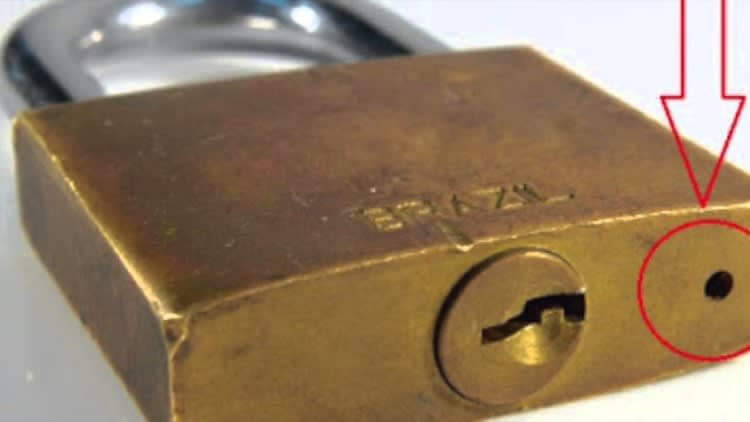
It does double duty. Any rainwater that works its way inside can escape through it instead of pooling and rusting the mechanism, and it doubles as an entry point for a squirt of lubricant when the lock starts sticking.
Those Little Studs Scattered Around Jean Pockets
Denim wearers see them constantly — small metal studs clustered near the pocket corners, seemingly placed at random.
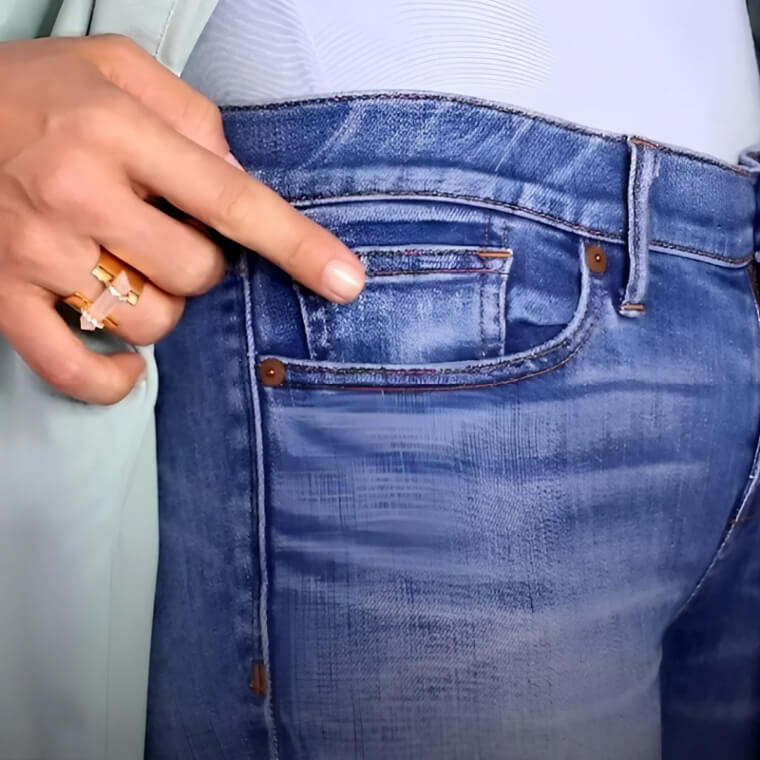
They’re rivets, and their placement is anything but random: each one sits where fabric takes the most strain, which is exactly where jeans would otherwise tear first. Levi Strauss patented the idea, and it’s the reason denim held up on work sites.
The Small Hole in an Airplane Window
Settle into a window seat, glance at the pane, and you’ll spot a pinhole punched right through it. For a first-time flyer that discovery can be mildly alarming — a hole in the wall of a pressurized tube at 35,000 feet doesn’t sound reassuring.

It’s known as a bleed hole. Aircraft windows are made of several layers, and as the plane gains altitude and outside pressure falls away, that tiny opening lets the pressure load sit on the outer pane rather than the inner one. Far from a flaw, it’s a deliberate safety feature.
The Spare Eyelets Near the Top of Your Sneakers
Most running shoes have an extra set of holes above the ones you normally lace through, and almost nobody uses them. If your heels rub raw on long walks, they’re worth learning.
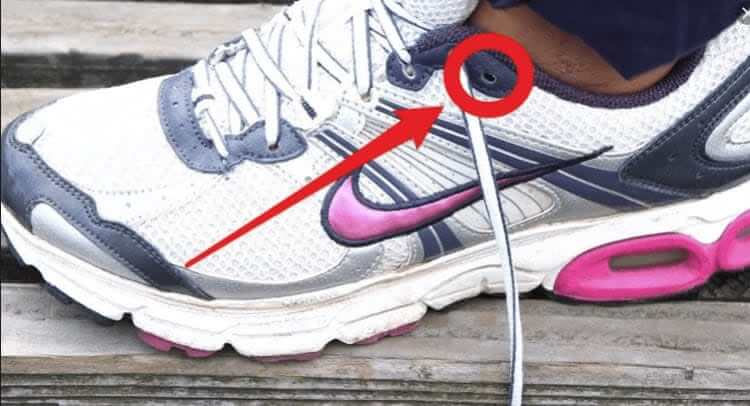
Thread each lace back down into the extra hole on its own side to form a small loop, then cross the laces through the opposite loops before tying. The result is a heel lock that grips far better than a standard knot and keeps your foot from sliding forward.
Why Erasers Come in Two Colors
Every kid who has ever held a pink-and-blue eraser has tested the schoolyard rumor that the blue end wipes out pen ink. It doesn’t — and the disappointment is universal.
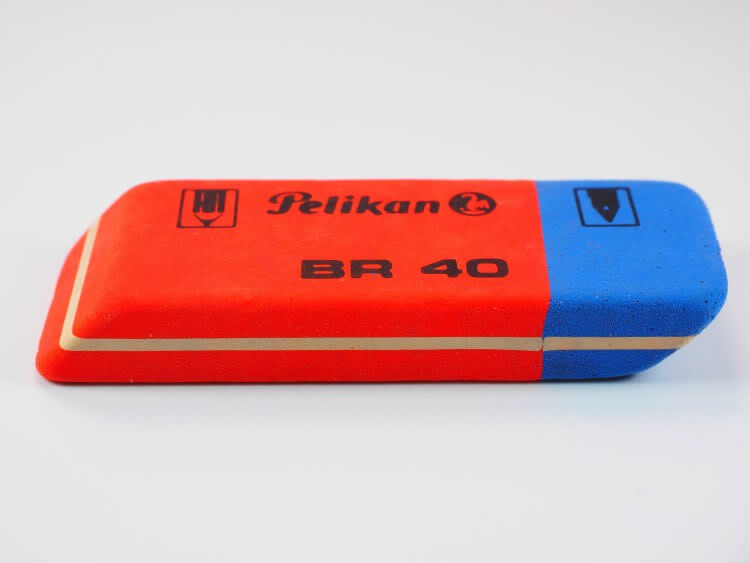
The blue side is simply the coarser of the two. It was made for the heavier, more textured paper artists and draftsmen work on, where a soft eraser just smears graphite around instead of lifting it.
The Wings on Top of a Juice Box
Those two flaps at the corners of a juice carton fold outward like little ears. Cute, sure, but they aren’t decorative.
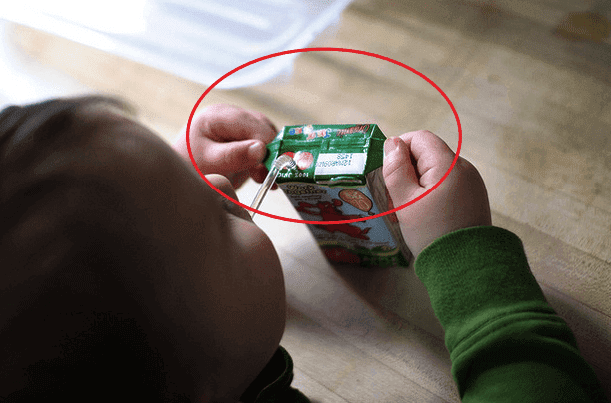
Fold them up and a small child suddenly has something to grip that isn’t the squeezable body of the box — which is the whole reason juice ends up on the car seat in the first place.
The Hidden Pouch in Women’s Underwear
Turn a pair of women’s briefs inside out and there’s often a small lined pocket sewn into the gusset, open at one end.
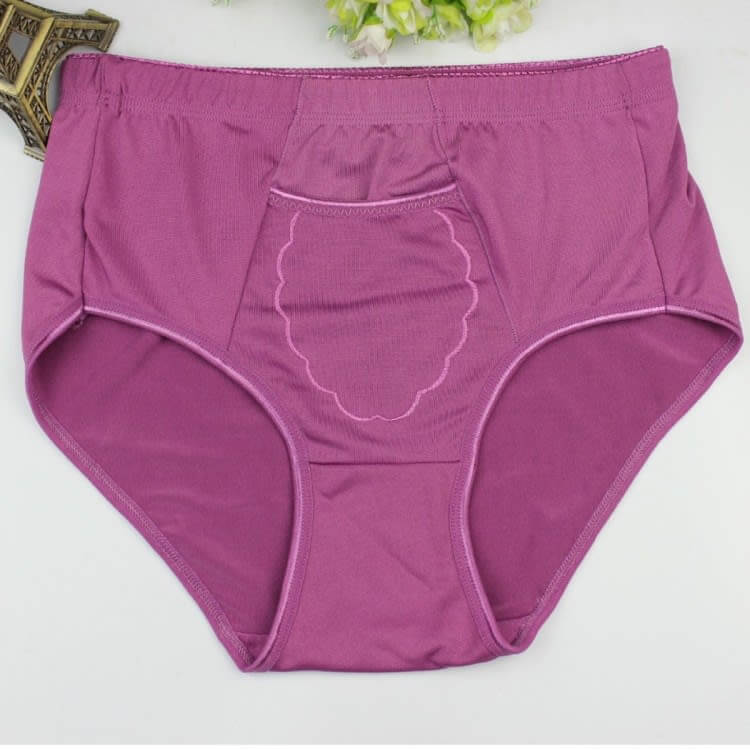
Most of the time it isn’t a pocket at all — it’s a gusset, a separate breathable cotton panel stitched in for hygiene and comfort, left open on one side so the seams don’t chafe. Some designs do leave it usable for a tampon or a folded bill.
Why Beer Bottles Have Such Long Necks
A stubby bottle would hold the same volume and take up less shelf space, so why does the tall-necked shape persist?

Comfort and temperature. The narrow neck gives your hand a natural place to hold, which keeps your palm off the body of the bottle — and body heat off the drink. It also leaves a small pocket of gas above the liquid that helps preserve carbonation once the cap comes off.
The Loop Stitched Onto the Back of a Dress Shirt
Plain tees don’t have it, but flip a collared button-down around and there’s usually a small fabric loop just below the yoke. Sailors are the reason it exists — shipboard lockers had hooks rather than rails, and a loop meant a shirt could hang without a hanger.
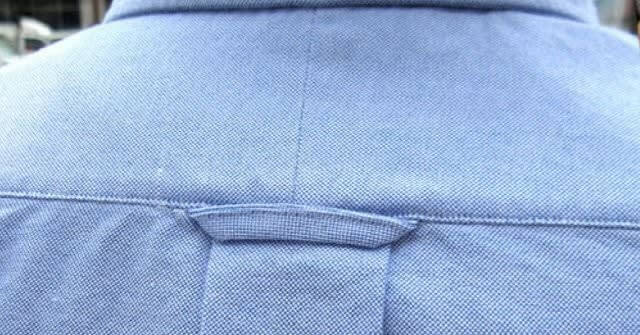
By the 1960s it had jumped to college campuses, where students used it to keep shirts crease-free in cramped dorm closets — and, briefly, as a relationship signal. Today it mostly survives as a marker of a well-made shirt.
The Dimples Covering a Golf Ball
Strictly speaking, a dimpled golf ball isn’t a smooth sphere at all. Its surface is a grid of tiny craters, and that shape is the product of accident rather than design.

Early players noticed that scuffed, dented balls flew farther than fresh ones. Manufacturers eventually chased down why: the dimples grip a thin layer of air around the ball, cutting drag and adding lift so the ball stays airborne longer.
The Little Arrow Beside the Fuel Icon
Cars built since roughly 2010 have a small triangle printed next to the gas pump symbol on the dashboard. Drive the same car for years and you’ll never need it, which is why nobody notices.

The arrow points to whichever side the filler cap is on. It exists entirely for the moment you pull into a station in a rental and have no idea which way to park.
Your Spare Key Can Stand In for a Coin
You arrive at the supermarket with a week’s shopping list and realize you have no coin for the cart. The options look bleak: juggle everything by hand or give up and go home.
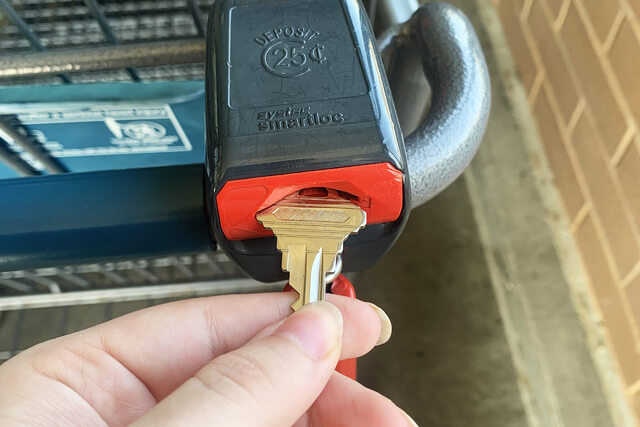
Try the flat head of a plain metal key instead. On many cart mechanisms it slots into the coin slot and releases the chain just as well as the real thing.
The Pinhole Next to Your Phone’s Camera
There’s a barely visible opening beside the rear camera lens on most phones, and the internet has produced no shortage of theories about what it’s listening for.
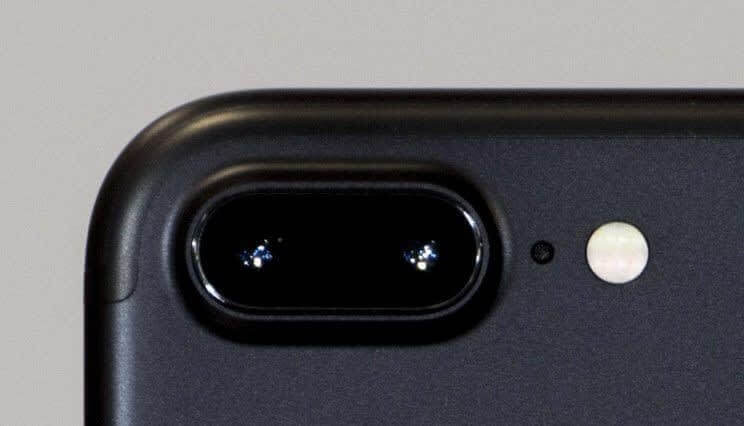
It’s a microphone — one of at least three on a typical handset. There’s one on the bottom edge for calls, one near the earpiece, and this one, which records audio for video and helps the phone cancel background noise.
The Fold-Out Tabs on a MacBook Charger
The white power brick has two small arms on the underside that swing out. They look like a leftover from an earlier design, but they have a job.
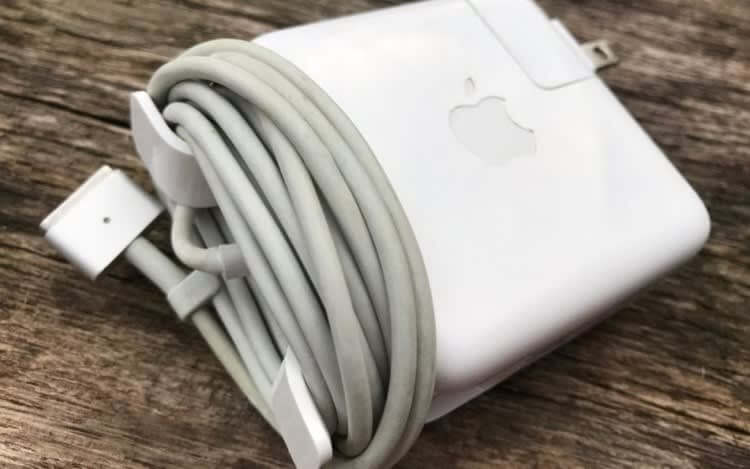
Flip them up and wind the cable around the brick to store it — the arms hold the coil in place so the cord doesn’t unravel in your bag or kink at the connector.
The Square Patch of Cross-Stitching on a Backpack
That diamond-shaped panel of leather or fabric stitched to the front of a daypack does look sharp, but it isn’t there for the aesthetics.

It’s a lash tab, sometimes called a pig snout. Thread cord, a carabiner, or a bungee through the openings and you can strap gear to the outside of the pack — an idea borrowed from climbing and hiking packs that carried axes and rope.
Why So Many Doorknobs Are Brass
You grab one a dozen times a day without thinking about the metal. Brass isn’t chosen because it’s the cheapest option available.
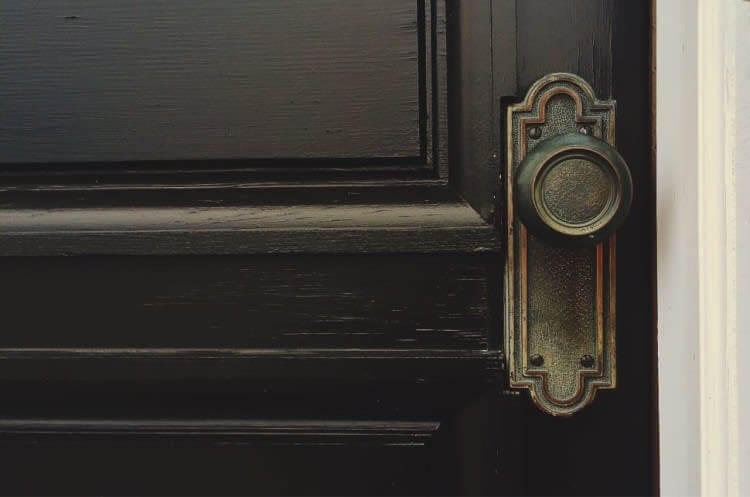
Copper alloys like brass are naturally antimicrobial — bacteria left on the surface die off far faster than they would on steel or plastic. On a fixture touched by everyone in the building, that matters more than looks.
You’ve Been Using Takeout Boxes Wrong
Chinese takeout usually gets eaten straight from the carton or dumped onto a plate that then needs washing. Neither is what the packaging was designed for.
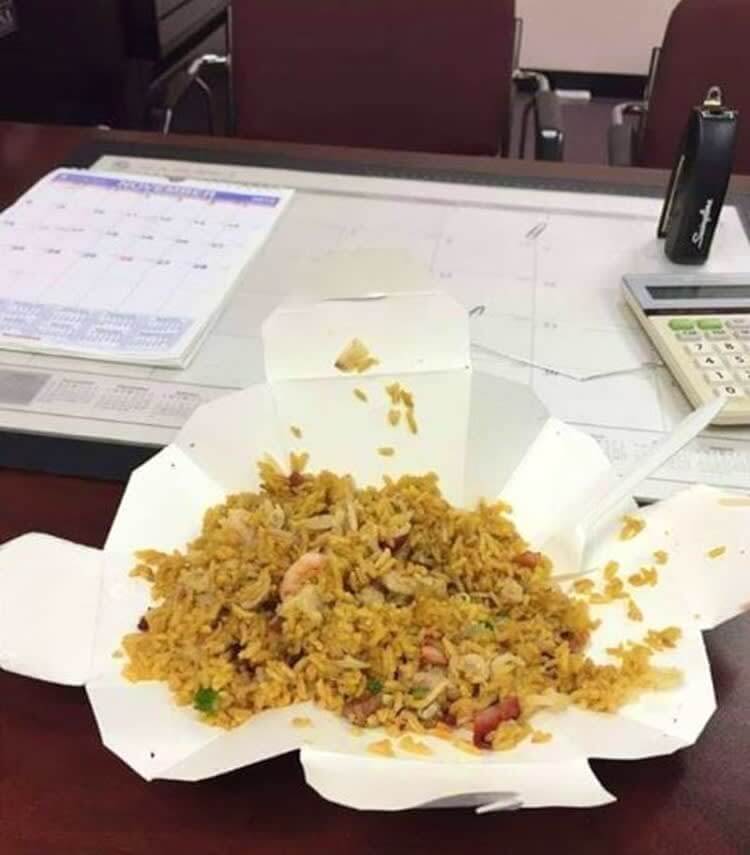
Pull the wire handle off and gently open out the folded sides and the box flattens into a serving dish. One less plate to wash, and the food is easier to get at.
The Wavy Side of a Bobby Pin
A bobby pin has one flat arm and one that’s crimped into a series of ripples, and roughly half the population wears them upside down.
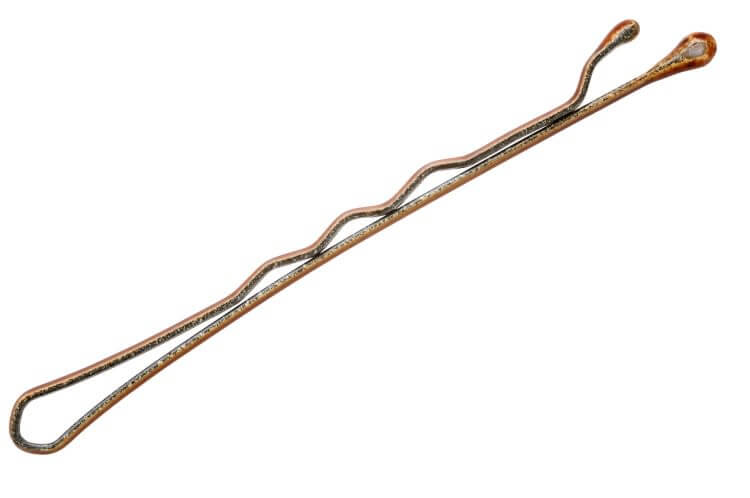
The ridged side belongs against your scalp. Those bumps bite into the hair and hold a thicker section in place, which is why the pin stays put instead of sliding out an hour later.
The Plastic Disc Inside a Soda Cap
Unscrew a bottle of cola and look inside the cap: there’s a thin plastic liner pressed into it. It looks like packaging filler.
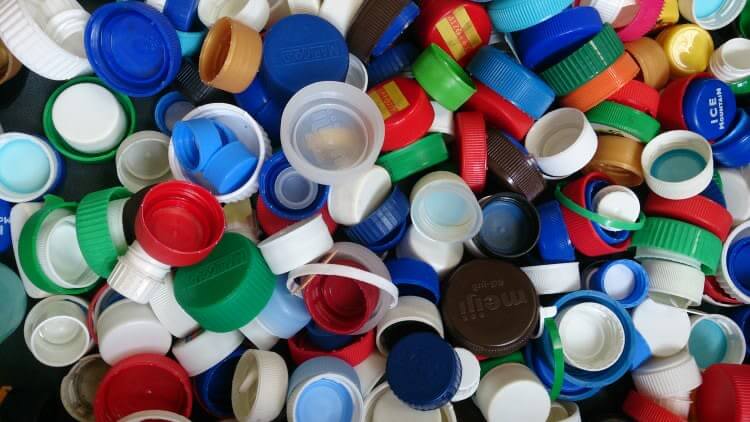
It’s the seal. The threads alone can’t hold back the pressure of dissolved carbon dioxide — the liner presses flat against the bottle’s rim and stops gas escaping. Without it, your drink would be flat before it left the warehouse.
Why Some Coins Have Grooved Edges
Dimes and quarters are ridged around the rim while pennies and nickels are smooth. The split goes back to when coins were struck from precious metal and were worth their weight.
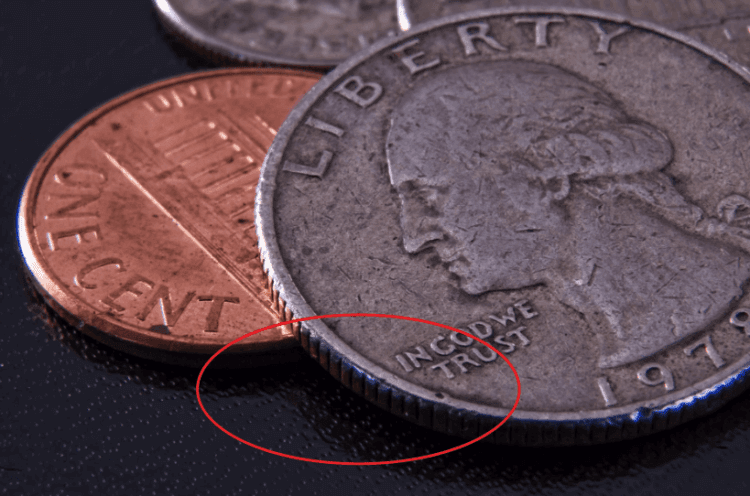
People used to shave slivers of silver or gold off the edges, spend the coin at full value, and melt down the shavings. Milling the rim made the theft obvious at a glance, and the tradition stuck for the denominations that once contained silver.
The Bumps on the F and J Keys
Look down at your keyboard right now. Two keys in the middle row have a raised ridge or dot that none of the others do.
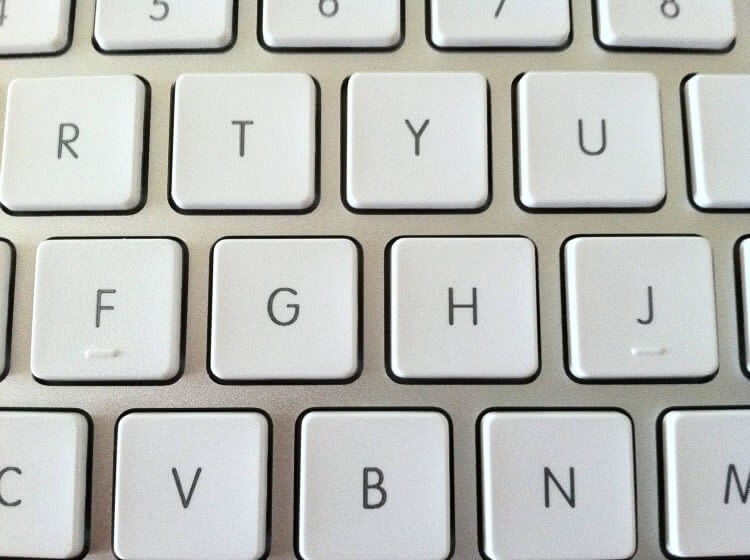
They’re touch markers for the home row. Rest your index fingers on them and every other key falls into a known position, which is what lets touch typists work without looking down. It feels awkward for a week and then becomes automatic.
Getting Ketchup Out of a Glass Bottle
Few things test patience like waiting for ketchup that refuses to move, then getting all of it at once. Heinz built the solution into the bottle decades ago.
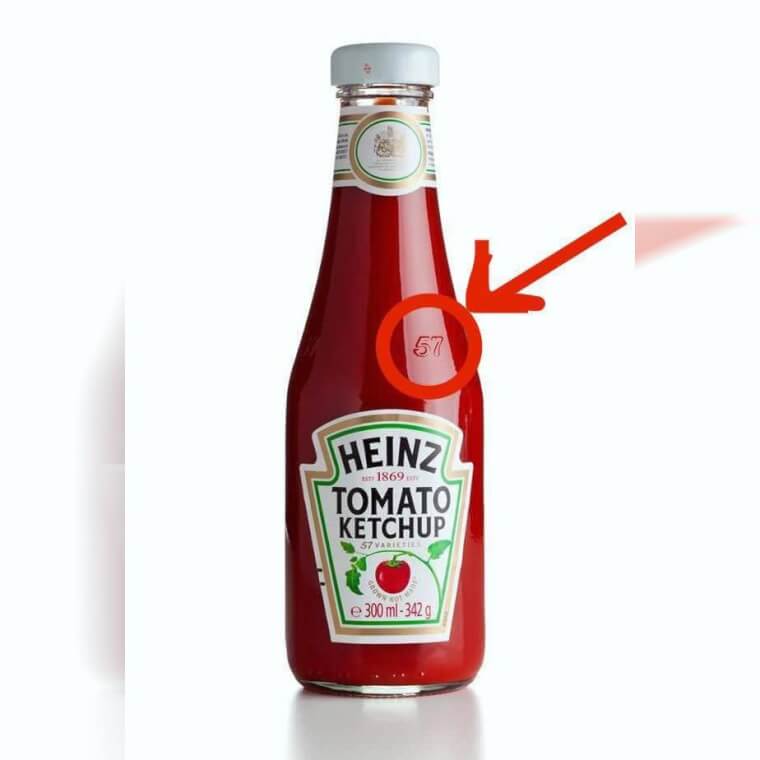
Tilt the bottle to around 45 degrees and tap firmly on the embossed “57” on the neck. That spot sits at the sweet point for breaking the sauce’s thick consistency, and it pours in a controlled stream rather than an avalanche.
The Loops on a Shopping Cart’s Fold-Down Seat
You pile the cart high, get to the car, and find the bread flattened and an egg cracked. It happens to everyone.

The fold-out child seat is framed by wire loops that were put there to cradle fragile items. Rest eggs, bread, or ripe fruit in that section and nothing heavy can land on top of them.
The Scrap of Fabric That Comes With New Clothes
New shirts and trousers often arrive with a tiny bag containing a spare button and a square of material. Most people assume it’s patch material for a future rip.
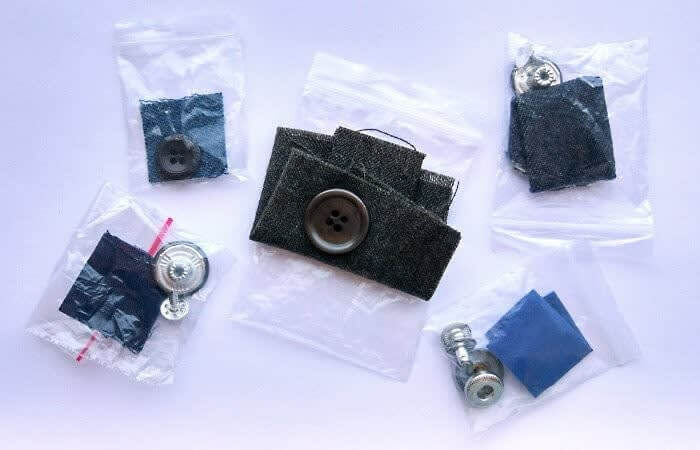
It’s a test swatch. Wash it the way you plan to wash the garment and see whether the dye runs or the weave shrinks before you risk the actual item.
The Cylinder Bulge on a Power Cable
Laptop chargers, monitor cables, and printer cords often have a thick lump moulded around the wire near one end.
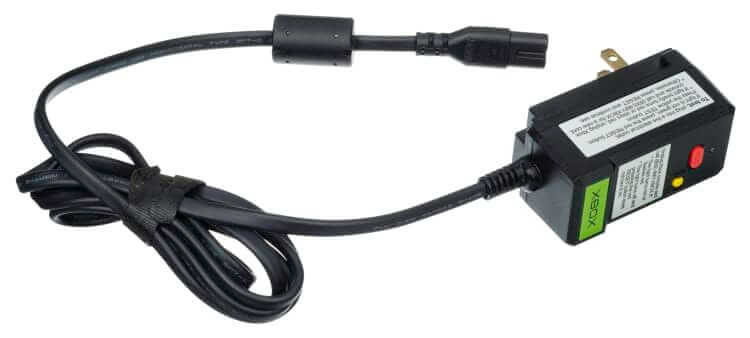
Inside is a ferrite bead, and its job is suppressing electromagnetic interference. It’s the same class of problem you hear when a phone sits too close to a speaker and the audio dissolves into buzzing — the bead soaks up that high-frequency noise before it reaches the device.
Where the Margin on Ruled Paper Came From
The red line down the left side of notebook paper feels like a formatting convention, but there’s a more practical story behind it. In eras when rodents were a constant household presence, paper stored on shelves got nibbled.

Keeping the writing inside a margin meant that damage at the edges — from pests, handling, or plain wear — didn’t destroy the text. The rats are gone, but a page still frays at the borders first, so the margin earns its place.
The Tab on a Drink Can
If you’ve somehow never cracked open a can of soda, you’re either exceptionally disciplined about sugar or living somewhere very remote.
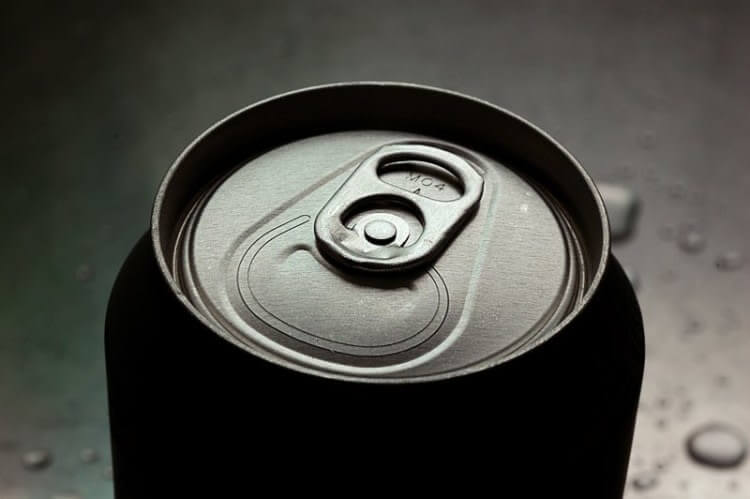
Once it’s open, spin the tab a half turn so the hole in it sits over the opening. Drop a straw through and it stays anchored instead of drifting up out of the can — a small trick built into a piece of metal everyone handles daily.
Car Headrests Come Off for a Reason
Headrests lift out of the seat with a press of a button, and the obvious explanation is adjustment for people of different heights.
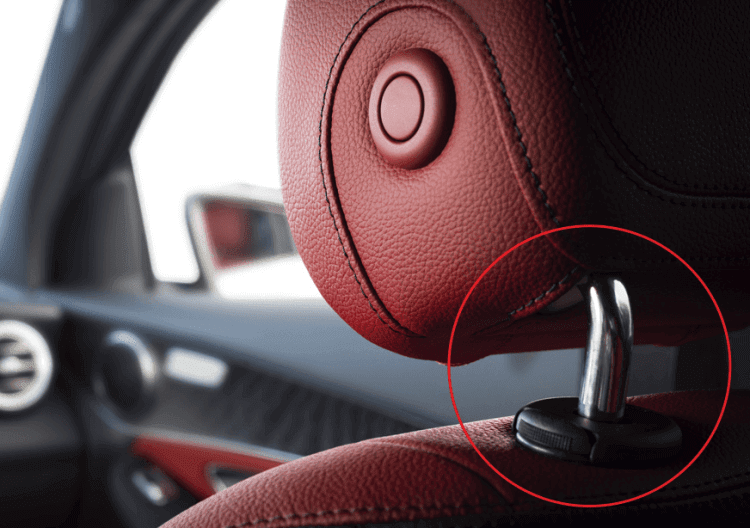
There’s a secondary use worth knowing: the two steel posts can be wedged into a door window and levered to shatter the glass if you’re trapped and the doors won’t open. Hopefully you never need it, but knowing beats not knowing.
The Ridges on a Coffee Cup Lid
A plastic lid obviously stops your drink sloshing out. The moulded bumps on top have a second function most people walk past.
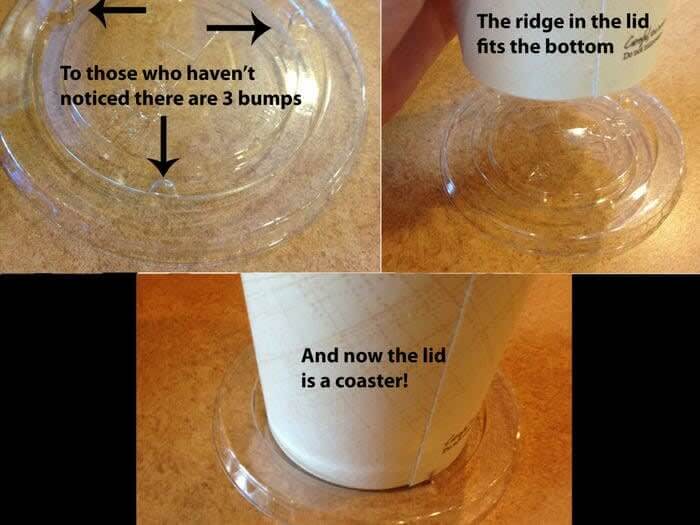
Set the lid upside down on a table and the raised ring holds the base of the cup, turning it into a small coaster. Handy when you’re sitting with a hot drink and nowhere clean to put it down.
A Peeler Works on Onions Too
Peelers get pulled out for potatoes and carrots and then put straight back in the drawer. They handle onions perfectly well.
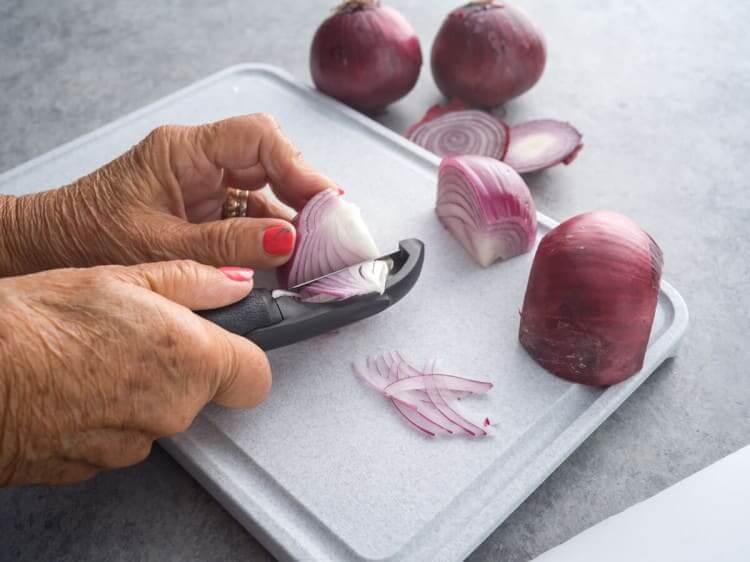
Slice off the top and bottom, then run the peeler down the sides to strip the papery skin and the tough outer layer in one pass. It’s quicker than picking at it by hand and involves less crushing, which means fewer tears.
The Colored Rectangle on a Toothpaste Tube
Look at the crimped end of your toothpaste and you’ll find a solid block of color — usually green, blue, red, or black. A long-running rumor claims it encodes what’s in the paste.
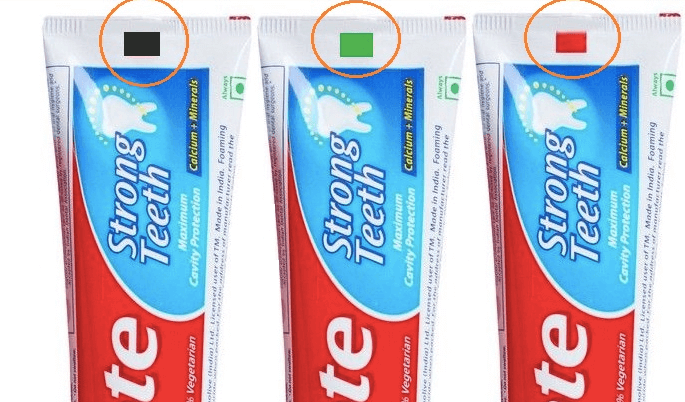
It’s a printer’s registration mark, sometimes called an eye mark. Sensors on the packaging line read it to know exactly where to cut and seal the tube. It says nothing at all about the ingredients.
Free Broadcast TV Is Still Out There
Between internet, phone, and television, a typical household bill runs well past $200 a month, and the TV portion buys you channels you’ll never watch.
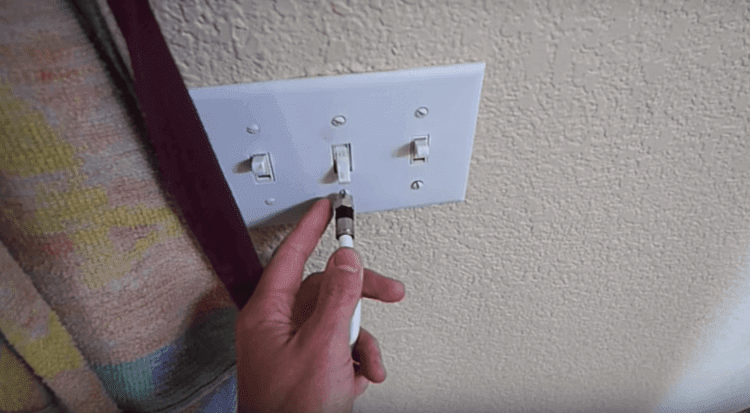
A cheap indoor antenna still pulls in over-the-air signals from the major networks — NBC, ABC, FOX, PBS and others — in full HD, free, for as long as you own the antenna. It won’t replace streaming, but it covers live news and sport at no monthly cost.
The Hole in a Ballpoint Pen Cap
At a glance a pen cap is a solid piece of plastic. Look closer and there’s usually a small hole in the end — which seems self-defeating, given that a cap exists to keep ink from drying out.
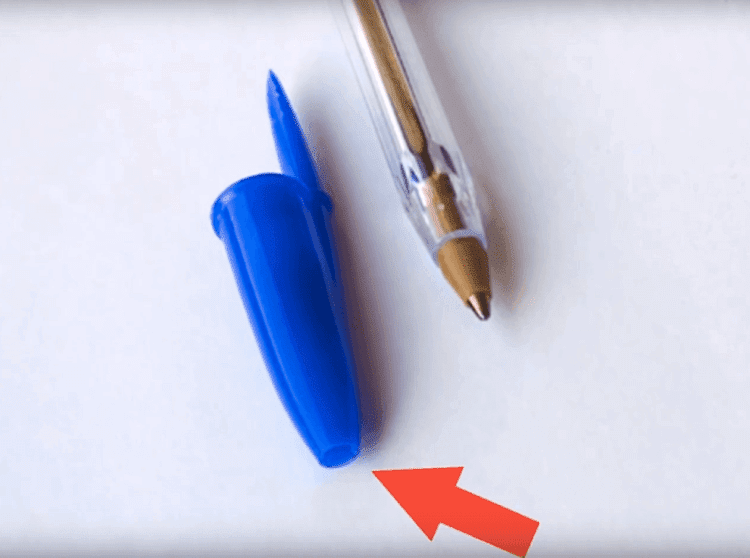
It’s a safety measure. Plenty of people — children especially — chew on caps, and a swallowed one can lodge in the airway. The opening allows air to pass through, buying time until help arrives.
The Hole in a Pasta Spoon
Anyone who has served spaghetti has wondered why the slotted spoon has a hole punched through the middle of it.
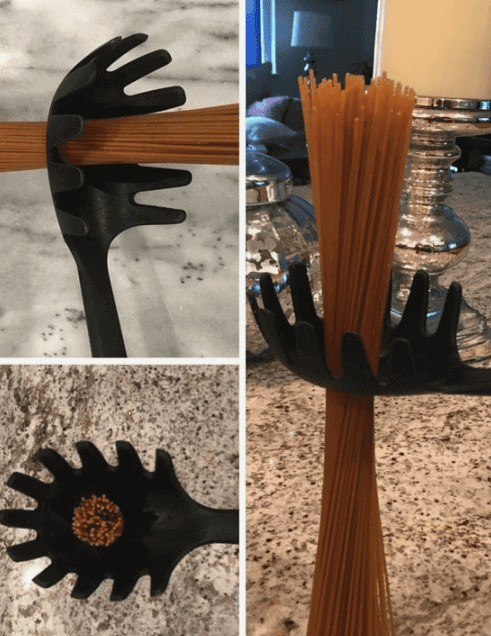
It’s a rough measure for a single portion. Push dry spaghetti through the opening until it’s full and you’ve got roughly one serving — no scale required.
The Hole in a Saucepan Handle
Professional kitchens use it constantly; home cooks mostly assume it’s for hanging the pan on a rack.
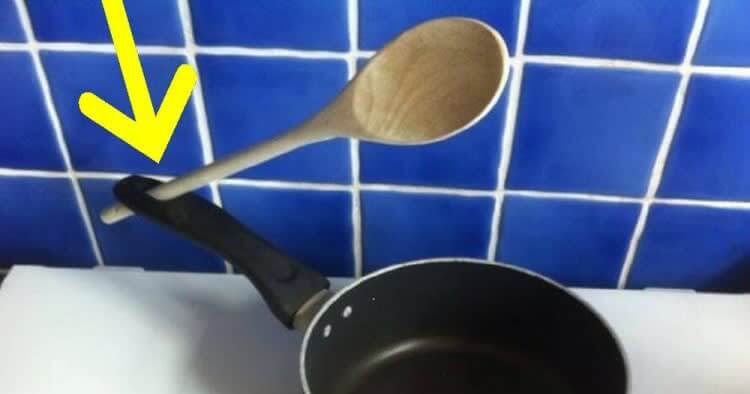
Hanging works, but it wasn’t the point. Slot a wooden spoon through the hole and you’ve got somewhere to park a drippy utensil that isn’t your countertop — and the spoon rests over the pot rather than in the sauce.
The Black Mesh in a Microwave Door
The perforated screen sandwiched into the glass makes the window harder to see through, which seems like a strange design choice for an appliance you want to watch.
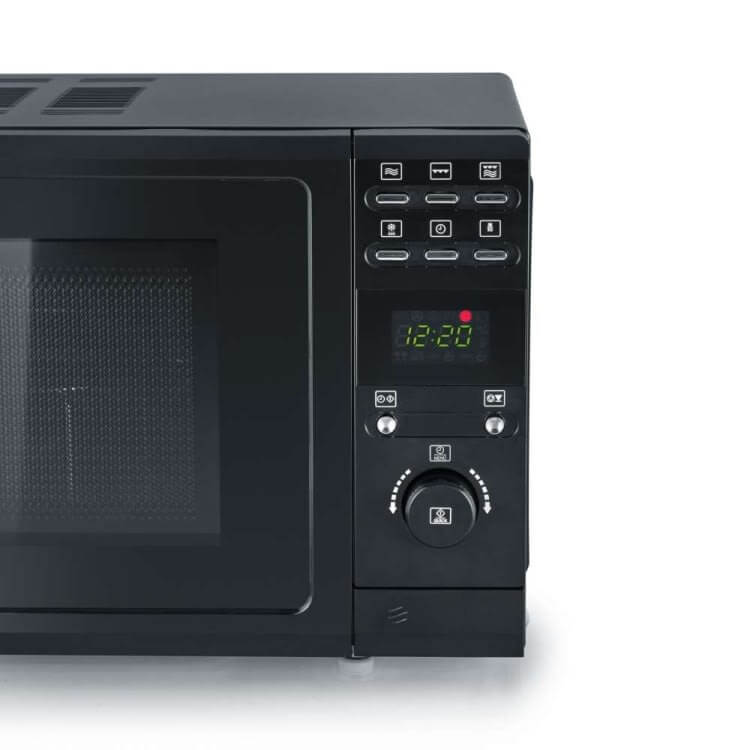
The mesh is a shield. Microwaves have a wavelength far larger than the holes in the grid, so the radiation bounces back inside while visible light, with its much shorter wavelength, passes straight through. You get to watch your food without standing in a microwave beam.
The Loops on Combat Boots
We’ve already covered the spare eyelets on sneakers. Boots have their own hardware — fabric loops at the back and the top of the shaft.
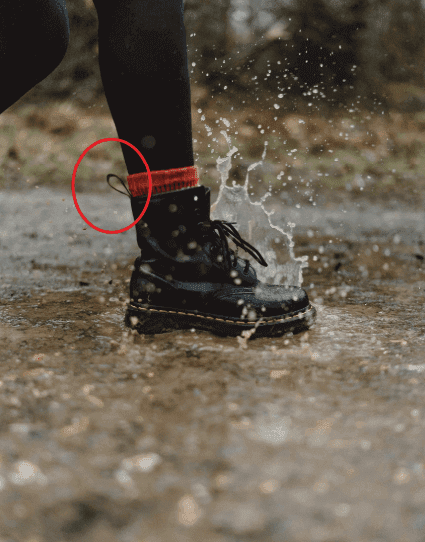
Grab them to haul a stiff boot on without fighting it, hang the pair up when you’re done, and — if you know what you’re doing — run the laces through them for a tighter, more supportive fit around the ankle.
The Attachments in the Vacuum Cleaner Box
A new vacuum comes with a handful of odd-shaped nozzles that go into a cupboard on day one and are never seen again.
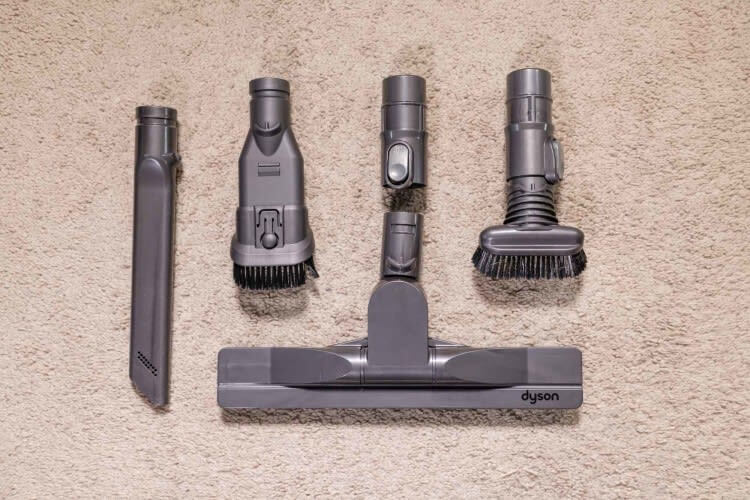
Dig them out. The narrow crevice tool reaches down the sides of sofa cushions and along skirting boards, the brush head handles blinds and keyboards, and the upholstery nozzle does what the main head physically can’t.
The Hook Behind an Airplane Tray Table
Not everyone flies in a jacket, but anyone who has tried to keep one uncreased in economy knows the problem.
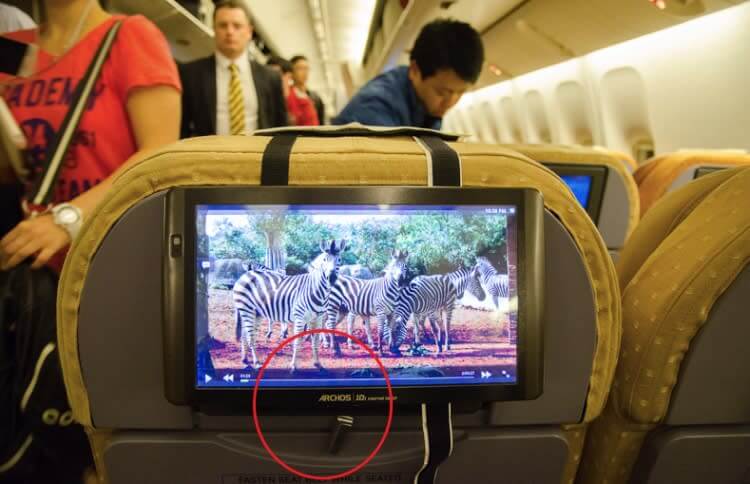
The small metal catch that latches the tray table shut also works as a coat hook. Hang your jacket on it and it stays off your lap and out of the seat pocket.
The Tabs on Foil and Cling Film Boxes
Everyone has had the roll of foil leap out of its box mid-pull and unspool across the counter.
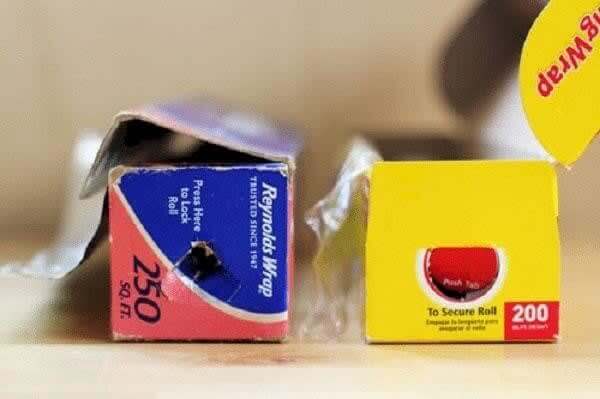
There are perforated tabs at each end of the box. Push them in and they press against the ends of the cardboard tube, holding the roll steady so you can tear a sheet with one hand.
Paper Condiment Cups Open Out
You order fries and a burger and get a thimble-sized paper cup of ketchup that fits maybe three fries and definitely not a burger.
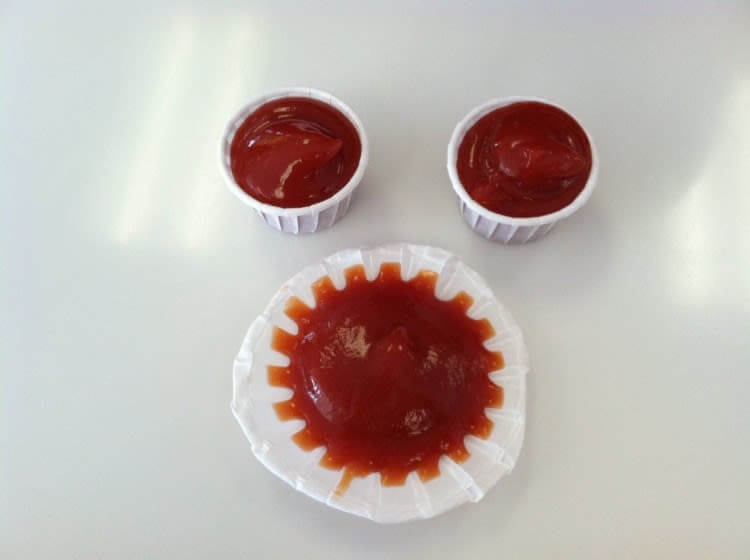
The pleats in the sides are there so it can expand. Gently pull them open and the cup flattens into a shallow paper dish with plenty of surface area for dipping.
Conditioner Doesn’t Go Where Shampoo Goes
Shampoo belongs on the scalp — that’s where oil and product build up, and massaging it in is the whole point. Conditioner works on completely different logic.
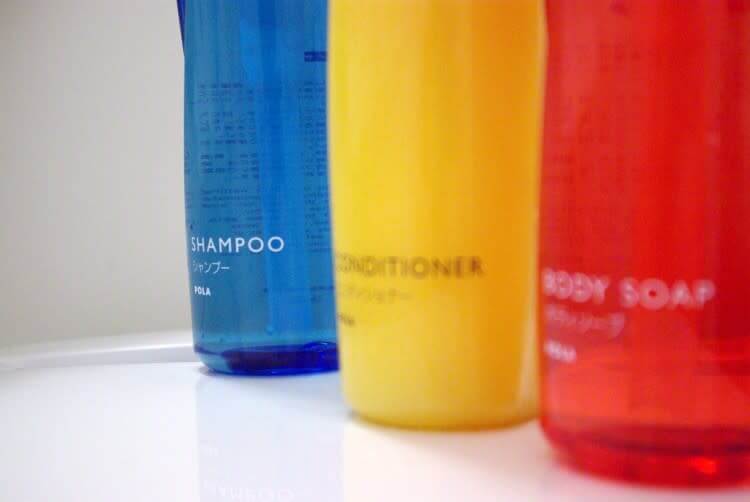
Your scalp produces its own oils, so the roots don’t need it. The ends are the oldest, driest, most damaged part of your hair — apply from roughly mid-length down and work toward the tips. Coating the roots just weighs hair flat and makes it greasy sooner.
Why Fingers Are the Wrong Tool for Foundation
It’s easy to assume brand advice about brushes is just a way to sell more brushes. In this case the reasoning holds up: fingertips can’t distribute foundation evenly, which is why patchy edges appear along the jaw and hairline.

There’s also a hygiene issue — hands pick up bacteria all day, and pressing that into your face invites breakouts and irritation. A damp sponge or a dense foundation brush blends more evenly and stays cleaner if you wash it.
Stop Pumping the Mascara Wand
Working the brush in and out of the tube feels like it loads more product onto the bristles. It doesn’t — it forces air into the tube.
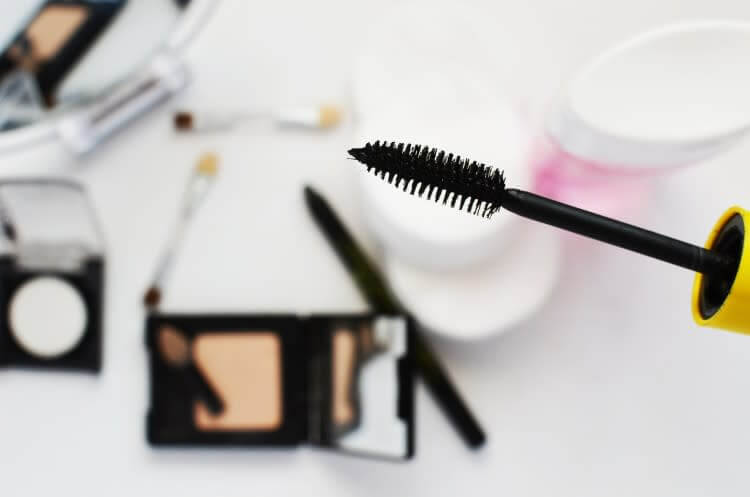
That air dries the formula out and turns it clumpy weeks before it should. Twist the wand as you pull it instead. And when the brush stops coming out with a soft suction sound, the tube has dried out and it’s time to replace it.
A Cleaner Way to Eat an Oreo
Twist, lick, dunk — the ritual is practically doctrine. The dunking step is also where half the cookie ends up at the bottom of the glass.
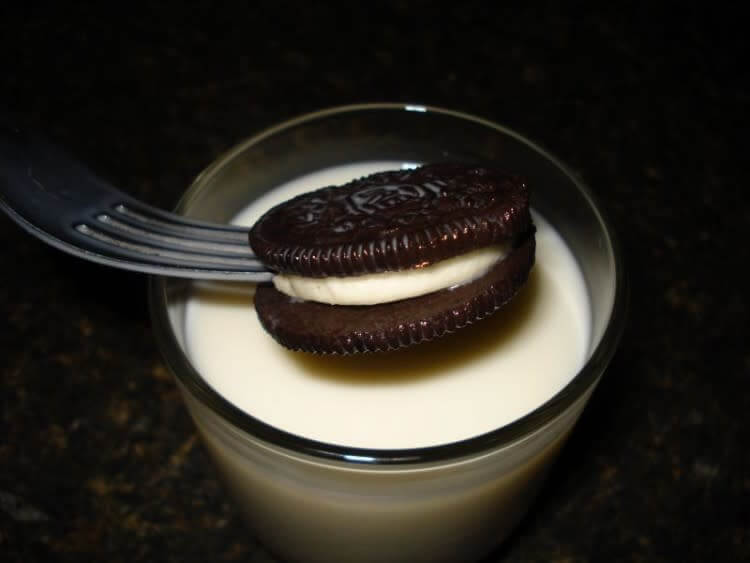
Spear the cookie through the cream filling with a fork and use that as a handle. You can submerge it completely, hold it as long as you like, and lift it out with dry fingers.
Earbuds Are Meant to Sit the Other Way Up
Wired earbuds constantly work themselves loose, and most people blame the buds. Usually it’s the orientation.
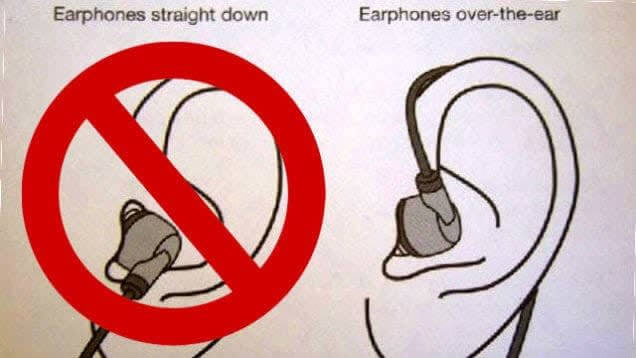
Turn each bud so the cable exits upward, then loop the wire over the top of your ear and down behind it. The cable’s weight no longer pulls the bud out, and the seal holds through a run.
The Right Order to Load a Blender
Most people tip everything in at once and hit the button. It mostly works, but you’re left with unblended chunks and a jug that needs scraping down halfway through.

Liquids go in first, soft ingredients next, ice and frozen items last. The liquid gets the blades moving and creates a vortex that pulls the solids down instead of letting them sit above the blade spinning in place.
A Tidier Way to Cut an Orange
Citrus is worth the effort, but peeling by hand leaves you with sticky fingers, pith under your nails, and a small mountain of rind.

Slice off the top and bottom, stand the fruit on a flat end, then cut down through the middle. The segments come away from the peel in one motion, and your hands stay dry.
Tissue Paper Keeps Packed Clothes Smooth
Tissue paper is good for far more than gift bags. Anyone who has unpacked a suitcase full of creases should keep a few sheets on hand.
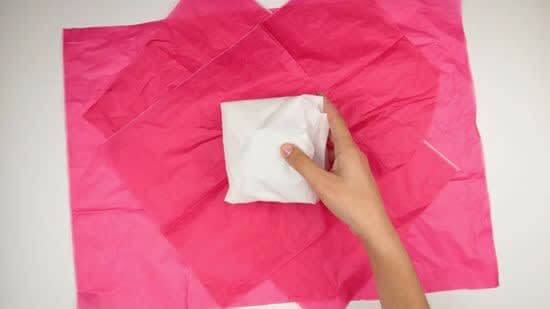
Lay a sheet over a garment before you fold it, or slip one between each layer as you pack. The paper stops fabric pressing hard against itself, and shirts come out of the bag needing far less ironing.
Microwaving Without the Cold Center
You get home starving, put a plate in the microwave, and the edges come out scalding while the middle is still refrigerator-cold.
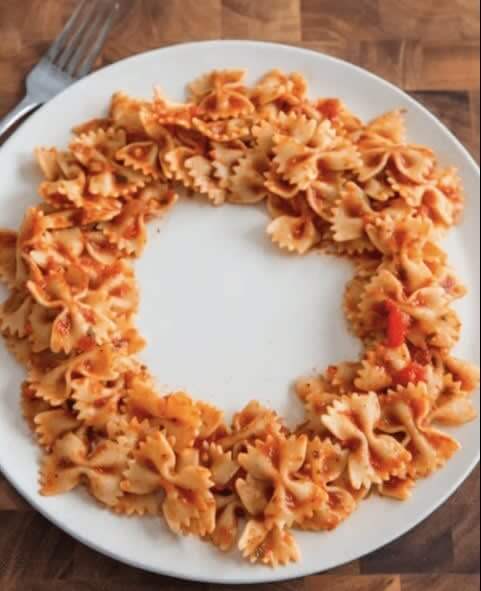
Push the food out from the center into a ring, leaving the middle of the plate empty. Microwave energy penetrates from the outside in, so a ring heats evenly while a dense mound cooks from the edges and never reaches the core.
The Right Way to Hold Dental Floss
Flossing is one of the most effective things you can do for your teeth and one of the most commonly skipped — partly because the standard grip is awkward and leaves your fingertips purple.
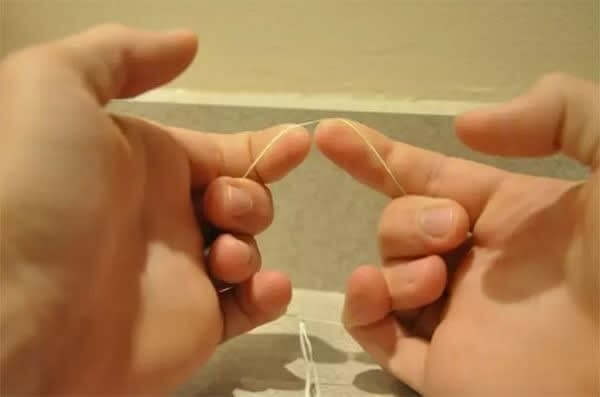
Tie the ends into a loop instead of winding the floss tightly around your fingers. You get the same control without cutting off circulation, and you’re less likely to snap the floss down into your gums.